

Quick answer
Corleone is safe for visitors in 2026, with crime rates comparable to other small Sicilian towns. The Mafia presence that dominated the area in the mid-20th century has diminished significantly, and the town now welcomes tourists exploring anti-Mafia history at the CIDMA center and surrounding countryside. Petty theft remains rare, and violent crime against tourists is virtually nonexistent. Standard travel precautions apply, as they would in any European town of 11,000 residents.
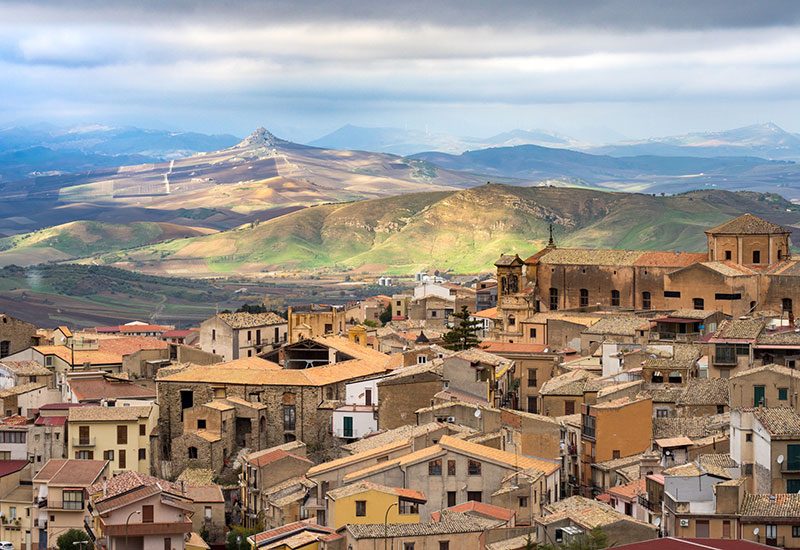
Corleone's modern reality contradicts the fiction that made its name infamous worldwide. The town's population of roughly 11,000 lives in a community where the last major Mafia arrests occurred over two decades ago, and local government has actively worked to distance the area from its criminal past. The CIDMA anti-Mafia documentation center occupies space in the town center, turning historical shame into educational purpose. Visitors walking Corso Bentivegna or exploring the Chiesa Madre encounter a typical Sicilian mountain town—quiet streets, elderly residents chatting in doorways, and a pace of life disconnected from urban Sicily. The absence of international hotel chains and limited tourism infrastructure reflects Corleone's status as an emerging destination rather than an unsafe one. Most travelers visit as day-trippers from Palermo, spending 2-3 hours at the museum and historic sites before continuing to other destinations. Local authorities maintain the same policing standards found across provincial Sicily. The Carabinieri station operates year-round, and the town sees more agricultural workers than tourists on most days. Sicilian hospitality extends to foreign visitors, though English fluency remains limited outside the museum. The real risks mirror those of any rural Italian town: uneven cobblestone streets, limited evening dining options, and minimal public transportation after 6 PM. Anti-Mafia sentiment runs strong among younger Corleone residents, many of whom work to reframe their town's identity around agricultural heritage and mountain landscapes rather than organized crime history. The town square hosts markets and festivals without incident, and families visit the surrounding Ficuzza forest for weekend recreation. Solo travelers and families report feeling as secure here as in Agrigento or Taormina, provided they arrive during daylight hours and arrange return transportation in advance.
“The town's population lives in a community where the last major Mafia arrests occurred over two decades ago, and local government has actively worked to distance the area from its criminal past.”
Corleone Opening Hours For Visitors
Corleone is accessible to visitors daily throughout the week. Planning your arrival during these designated hours ensures access to local historical sites and the CIDMA center.
| Monday | 10:00–17:00 | |
|---|---|---|
| Tuesday | 10:00–17:00 | |
| Wednesday | 10:00–17:00 | |
| Thursday | 10:00–17:00 | |
| Friday | 10:00–17:00 | |
| Saturday | 10:00–17:00 | |
| Sunday | 10:00–17:00 |
Is Corleone Sicily Safe And What Are The Entrance Fees?
Access to the town of Corleone is free of charge for all visitors. Costs only apply if you choose to enter specific cultural institutions, such as the CIDMA anti-mafia museum, or participate in guided tours.
A typical visitor pays 0 EUR to explore the town, with costs only incurred if booking private tours or specific museum entries.
Getting There: Is Corleone Sicily Safe For Driving And Public Transit?
Corleone is located in the Metropolitan City of Palermo, Sicily, Italy. The most practical approach for visitors is by car, which offers the flexibility to navigate the winding provincial roads connecting the town to the regional capital.
SS118 or SP4 from Palermo
Azienda Siciliana Trasporti (AST) from Palermo
Check availability
Common questions about visiting Corleone
Everything you need to know about is corleone sicily safe